
Snipers Duel
VOODOOSimulation
4.5627.00 Reviews
- Version
- 1.7.1
- Installs
- 1.00M
- Age Rating
- Teen
Screenshots
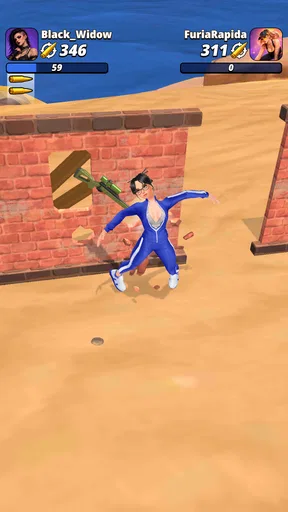
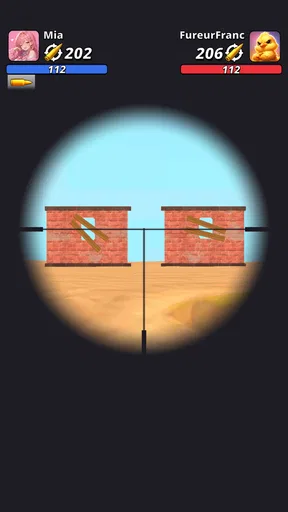
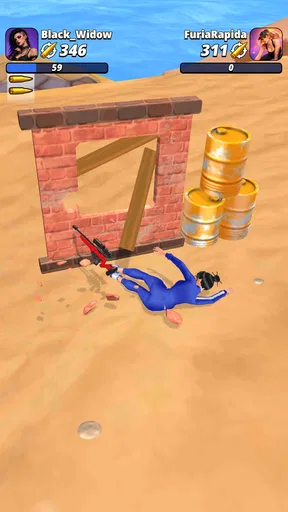
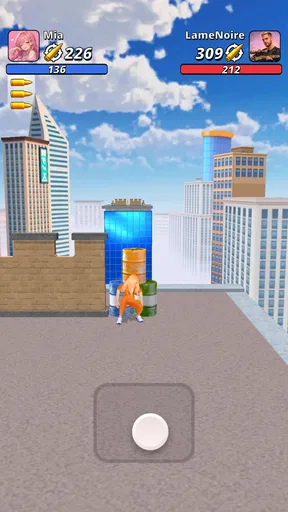
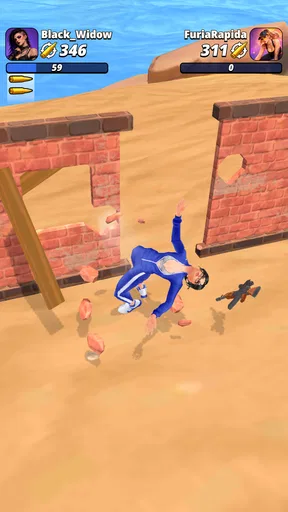
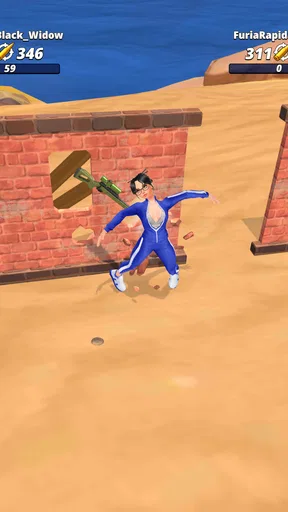
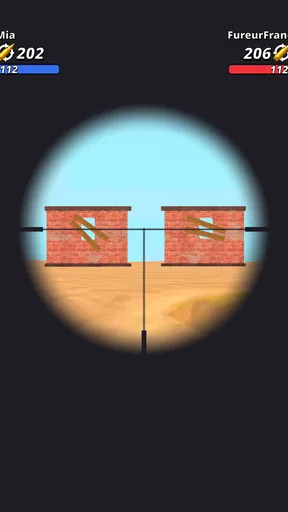
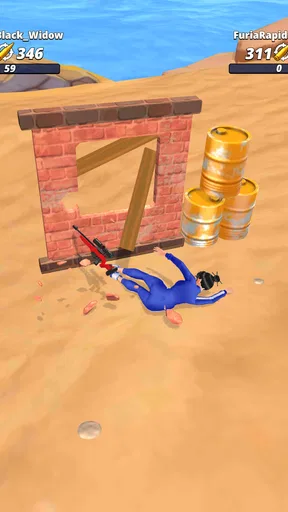
Our Review of Snipers Duel
 Analysis by Appyee
I went into Snipers Duel expecting a quick shooting game, but its appeal is more deliberate than that. This is a free tactical simulation game from VOODOO built around short player-versus-player sniper encounters, where choosing a weapon, reading cover, and waiting for the right opening matter more than simply tapping quickly. The basic idea is easy to understand, yet the tension comes from having very little room for a careless decision.
That makes it a good fit for the kind of player who enjoys compact competitive sessions. I can play a round while waiting for an appointment or between other tasks, without committing to a long campaign. At the same time, it is not a relaxing idle game. Even when a match is brief, I am still watching the opponent, judging the environment, and deciding whether patience or aggression gives me the better chance.
The game is free to download, carries a Teen age rating, and has passed the million-install mark. Its average score is 4.5 from around 14 thousand ratings, which suggests that the focused duel format has found a receptive audience. I would not treat that score as a guarantee that every player will enjoy it, though. The experience is intentionally narrow: if you want exploration, a story campaign, or a large arsenal to master over many different modes, this is probably not the right place to start.
A compact duel with a clear visual identity
I find the appeal of Snipers Duel comes from how clearly it commits to one kind of contest: a tense, contained face-off where the space between opponents matters. In this section, I’ll look at how its visual approach supports that focus and why cover reads as part of the decision-making, not just background scenery. That sets up the more practical question of how to use those visual cues when choosing a move.
The opening impression is all about focus
The strongest thing about the presentation is that it supports the central idea instead of distracting from it. A sniper duel needs a readable space, a visible threat, and enough uncertainty to make every pause feel meaningful. The art direction gives the matches a tense, contained mood rather than turning them into noisy action scenes. I always know that the important question is not “How many targets can I hit?” but “What is my rival trying to make me do?”
That distinction matters. In many mobile shooters, the screen quickly fills with effects, movement, and prompts. Here, the duel format encourages me to study the scene. Cover becomes part of the visual language, not just decoration. A wall, barrier, or exposed angle can change the entire exchange, especially when the opponent is trying to lure me into firing too early.
The setting also gives the game a slightly theatrical quality. Each encounter feels like a small stage arranged for two players. I am not moving through a huge world or collecting environmental details; I am reading a carefully framed confrontation. That limitation is useful because it keeps the game legible on a phone screen. The trade-off is that repetition can become more noticeable for players who need constant scenery changes.
Why the cover matters more than the scenery
The most interesting visual element is the way cover affects decision-making. It is not merely something placed between two characters. It creates a question: can I break the protection, wait for a better line, or force the rival to reveal a position? That question gives the art direction a mechanical purpose.
I found it helpful to stop treating the environment as a static backdrop. Before choosing a shot, I look for what the cover is doing to the exchange. Is it protecting the opponent completely, or only delaying a clear hit? Does firing now expose my intention? Could a different weapon make the same position easier to challenge? Thinking this way makes the game feel more tactical without requiring complicated controls.
This is also where the presentation avoids becoming generic. The mood comes from the relationship between the characters and the space around them. A plain arena would have made the encounters feel like target practice, while a cluttered arena would have made the action difficult to follow. The restrained visual approach keeps attention on the duel and gives each opening a little weight.
Art direction that helps rather than overwhelms
VOODOO’s style here is best appreciated as functional design. The game does not need a huge amount of visual information to communicate danger. Clear silhouettes, cover, and weapon choice do most of the work. That clarity is especially welcome on smaller screens, where excessive detail can make a competitive game frustrating rather than immersive.
There is a subtle downside to this approach. Because the game concentrates so heavily on the duel, players who judge simulation games by realism may find the presentation simplified. It is closer to a stylized competitive scenario than a detailed military simulation. I see that as an intentional choice, but it is worth understanding before downloading it. The atmosphere is built from tension and framing, not from a deep, realistic world.
Sound gives the pauses a purpose
The sound design works best when it emphasizes the gap between action and inaction. A shot is important because it interrupts a period of waiting. That rhythm makes the duel feel more suspenseful than a constant stream of gunfire would. I notice the silence around a decision as much as the impact that follows it.
This is a smart match for the setting. A sniper game should not sound like an arcade brawler, with every moment competing for attention. The quieter stretches let me think. When I hear the exchange move toward a decisive moment, the sound reinforces the feeling that a single choice could change the round.
I also appreciate how the audio supports pacing without needing to explain everything. The player is encouraged to pay attention to the state of the encounter, not just react to visual buttons. That makes headphones useful when I am playing somewhere calm, although the game remains understandable without turning the volume up constantly.
The rhythm is short, but not always fast
One of the game’s best design decisions is separating match length from match intensity. A duel can be quick while still containing a slow mental build-up. I might spend more time deciding whether to act than actually taking the shot. That is the source of the tension, and it is also the reason the game can feel surprisingly demanding during a short session.
This pacing makes it convenient for everyday use. If I have only a few minutes, I can start a match without needing to remember a long objective. A realistic example would be playing during a short commute break: I can complete a compact confrontation, put the phone away, and return later without feeling that I abandoned a large mission. The same structure works well for players who prefer focused bursts over extended sessions.
However, the deliberate rhythm will not suit everyone. If you want constant movement, rapid combinations, or the sensory rush of a traditional action shooter, the waiting may feel like a lack of content. The game asks you to enjoy anticipation. Without that patience, its central strength becomes its main weakness.
Weapon choice changes the way I read a round
The option to pick a weapon gives each encounter more texture than a simple aim-and-fire contest. I do not see weapon selection as a cosmetic choice. It changes how I approach the opponent and how I interpret the cover between us. A weapon that seems attractive in one situation may be less useful when the rival is protected or when the opening is brief.
My practical advice is to choose based on the position rather than personal habit. If I always select the same option because it feels familiar, I give up part of the tactical layer. The better workflow is to inspect the scene first, identify what prevents a clean shot, and then choose the tool that addresses that problem. This is a small habit, but it makes the game feel less random and helps me understand why a round was won or lost.
There is a trade-off here for players who enjoy deep loadout systems. Snipers Duel presents weapon choice as part of the duel’s immediate puzzle, not as a sprawling customization project. That keeps the game approachable, but it may feel limited beside larger shooting games with extensive equipment trees and long-term build planning.
Cover destruction creates a useful second layer
The ability to shatter cover is the mechanic that most clearly separates the game from a basic shooting gallery. It means the safest-looking position is not necessarily permanent. I have to consider whether attacking the protection is better than waiting for the opponent to move, and that decision creates a genuine trade-off between control and speed.
A useful tactic is to think in terms of pressure rather than immediate damage. Breaking cover can make the next exchange easier, but it can also reveal that I am trying to manipulate the battlefield. If the opponent expects me to attack the barrier, they may be ready to exploit the moment after I commit. The strongest play is not always the most destructive one; sometimes the threat of breaking cover is enough to influence the rival’s timing.
This gives the setting a playable mood because the environment seems to respond to the duel. The world is not a passive picture behind the characters. Its protection, weakness, and changing lines of sight are part of the conversation between players.
How I approach a match without wasting the first move
I have found a simple three-step routine useful. First, I scan the cover and identify the likely safe positions. Second, I look at the available weapon choice and ask which option changes that situation most effectively. Third, I wait briefly before committing, because an immediate shot can reveal my plan without giving me enough information in return.
This does not make every round predictable. It simply prevents me from treating each duel as a reflex test. The game rewards observation, and observation is easier when I give myself a moment to understand the scene. Players who rush may still win, especially against uncertain opponents, but they lose access to the game’s more interesting layer.
Another useful habit is to review the reason for a loss instead of blaming aim immediately. Did I choose the wrong weapon for the cover? Did I fire because I felt pressured? Did I attack protection when waiting would have forced the rival into a worse position? These questions turn short matches into practice rather than a string of disconnected results.
Where it fits among simulation and shooting alternatives
Compared with a conventional mobile shooter, this game is much more concentrated. There are no long routes to memorize in the way a larger action game might require, and the focus stays on the confrontation itself. That makes it easier to pick up for a short session, but it also means there is less variety in the moment-to-moment activity.
Compared with a peaceful simulation game, it is far more competitive and reactive. The simulation label may suggest management, construction, or open-ended experimentation to some players, but this experience is about modeling a tense sniper exchange. It simulates a tactical situation rather than a broad living system. That distinction is important when deciding whether it matches your usual taste.
It also differs from story-driven sniper games. Those alternatives may offer missions, characters, and a stronger sense of progression through a campaign. Snipers Duel is better for someone who wants the decision-making of a sniper encounter compressed into a direct contest. If narrative context matters more to you than competitive replay, a campaign-focused game will probably be more satisfying.
Free access and the question of spending
The game is free, which makes it easy to test the core idea without an entry fee. There are in-app purchases ranging from $1.99 to $59.99 per item, so I would approach the store carefully and decide in advance whether optional spending belongs in my play routine. The free starting point is valuable, especially because the game’s appeal is very specific: you need to enjoy tactical duels before extra purchases would mean much to you.
My advice is not to spend simply because a difficult round feels frustrating. First, learn how cover and weapon choice interact. If the game becomes more enjoyable as your decisions improve, then you know the core loop works for you. If it still feels repetitive after several focused sessions, buying more content or advantages is unlikely to solve the underlying mismatch.
This is also a reasonable game for a player who wants a low-commitment competitive option, but parents should remember the Teen rating and the presence of in-app purchases. The combination does not make the game unsuitable for every younger player, yet it does make supervision and purchase controls sensible on a shared device.
Performance, access, and the practical download decision
The current version is 1.7.1 and supports devices running Android 8.0 or later. That gives the game a fairly broad starting point for Android users, although actual comfort will still depend on the phone’s screen, controls, and general performance. A smaller display may make careful visual reading less comfortable, while a larger one can make the cover and openings easier to interpret.
Because the matches are compact, the game works best when I want something immediately focused rather than a large installation that demands a long setup routine. I would still avoid treating it as a background game. The most satisfying sessions require attention, and playing while distracted makes the tactical choices feel arbitrary.
The release date was April 14, 2025, so the game belongs to a relatively recent wave of mobile competitive experiences. That is useful context for someone deciding whether to try it now: it feels designed around modern short-session habits, but it does not abandon the older pleasure of reading an opponent and waiting for a mistake.
Who should try it, and who should skip it
I would recommend it to players who enjoy head-to-head tension, compact matches, and decisions that matter more than complicated controls. It is particularly suitable for someone who likes the idea of a sniper duel but does not want a full campaign or a sprawling multiplayer shooter. The combination of readable visuals, cover-based choices, and short rounds makes it approachable while leaving room to improve.
I would also suggest it to players who like replaying a small ruleset until they understand its patterns. The game’s depth comes from how the same basic situation can change when the weapon choice, cover, or opponent’s timing changes. That is a good fit for analytical players who enjoy asking what they could have done differently.
I would skip it if you need a strong narrative, extensive exploration, realistic military detail, or nonstop movement. I would also be cautious if competitive losses quickly spoil your mood. The compact format makes it easy to play another round, but that can become a cycle of chasing a better result rather than enjoying the decisions themselves.
My final view of the atmosphere and the mechanics
What stays with me is the way the game turns restraint into its main source of energy. The art direction frames each duel clearly, the sound gives pauses a sense of purpose, and the pacing lets a single shot feel important. None of those elements would work alone. Together, they create a coherent mood in which the environment, the opponent, and my own impatience are all part of the challenge.
The mechanics support that mood well. Choosing a weapon, dealing with cover, and deciding when to expose a plan are simple actions, but they interact in ways that reward attention. The game is not trying to be a complete sniper simulator or a large-scale shooter. Its strength is the compact argument between two players, played out through a small space and a few meaningful decisions.
For me, that makes Snipers Duel worth trying as a focused mobile game rather than as an all-purpose shooting replacement. I would give it a fair test over several thoughtful matches, use the free access to decide whether the rhythm suits me, and avoid spending until the basic duel already feels satisfying. If you enjoy quiet tension followed by a decisive move, this is a sharp and accessible choice. If you want constant action or a world to explore, another game will serve you better.
Verdict
Strengths of Snipers Duel
- Quick matches are ideal for short gaming sessions.
- Simple controls make aiming easy for newcomers.
- Competitive duels provide a satisfying skill challenge.
- Different weapons add variety to each encounter.
- The game is easy to learn without lengthy tutorials.
Limitations of Snipers Duel
- Progress can feel repetitive after several matches.
- Some upgrades may require considerable time to unlock.
- Online competition can be frustrating for inexperienced players.
- A stable internet connection may be needed for duels.
- Ads may interrupt the experience between rounds.
Other Releases by VOODOO
View All


Similar Picks in This Category
View All
Truckers of Europe 3
Wanda Software4.3

Town Building Life Simulator
XGame Global4.2

Fidget Toys Trading・Pop It 3D
Freeplay Inc4.7

Sculpt People
CrazyLabs LTD4.4

Scary Teacher 3D
Z & K Games4.2

Hair Tattoo: Barber Shop Game
CASUAL AZUR GAMES4.3
Frequently Asked Questions
What is Snipers Duel?
Snipers Duel is a competitive shooting game focused on precision, timing, and long-range combat. Players typically face opposing snipers in short matches where carefully aiming, controlling movement, and firing at the right moment are essential. The game is designed for users who enjoy tactical challenges rather than fast, continuous action, making patience and accuracy just as important as quick reactions.
How does the gameplay in Snipers Duel work?
Gameplay generally revolves around locating the opposing sniper, adjusting your aim, and taking a precise shot before your opponent does. Depending on the mode, environmental elements, obstacles, and limited opportunities may affect each round. Matches are usually easy to understand for beginners, but mastering headshots, timing, positioning, and efficient use of available equipment requires practice and a good understanding of the game’s mechanics.
Is Snipers Duel free to download and play?
Snipers Duel can generally be downloaded without an upfront purchase, although the exact availability may depend on whether you use Android or iOS and on your region. As with many free mobile games, optional in-app purchases, advertisements, upgrades, or extra content may be included. Before downloading, players should check the store listing for current pricing, supported devices, and purchase information.
Does Snipers Duel require an internet connection?
An internet connection may be necessary for certain features, especially competitive multiplayer matches, online rankings, advertising, cloud synchronization, and updates. Some versions or modes may allow limited offline play, but this should not be assumed because requirements can change between releases. For the most reliable experience, use a stable Wi-Fi or mobile data connection when entering online duels.
Is Snipers Duel suitable for children and casual players?
Snipers Duel may be accessible to casual players because its basic controls are usually straightforward and matches can be completed relatively quickly. However, it is still a shooting game involving sniper combat, so parents should review the age rating, content descriptions, advertising, and in-app purchase settings before allowing children to play. Players who enjoy precision-based competition will likely find it more appealing than those seeking a relaxed game.
Play our best games!


